
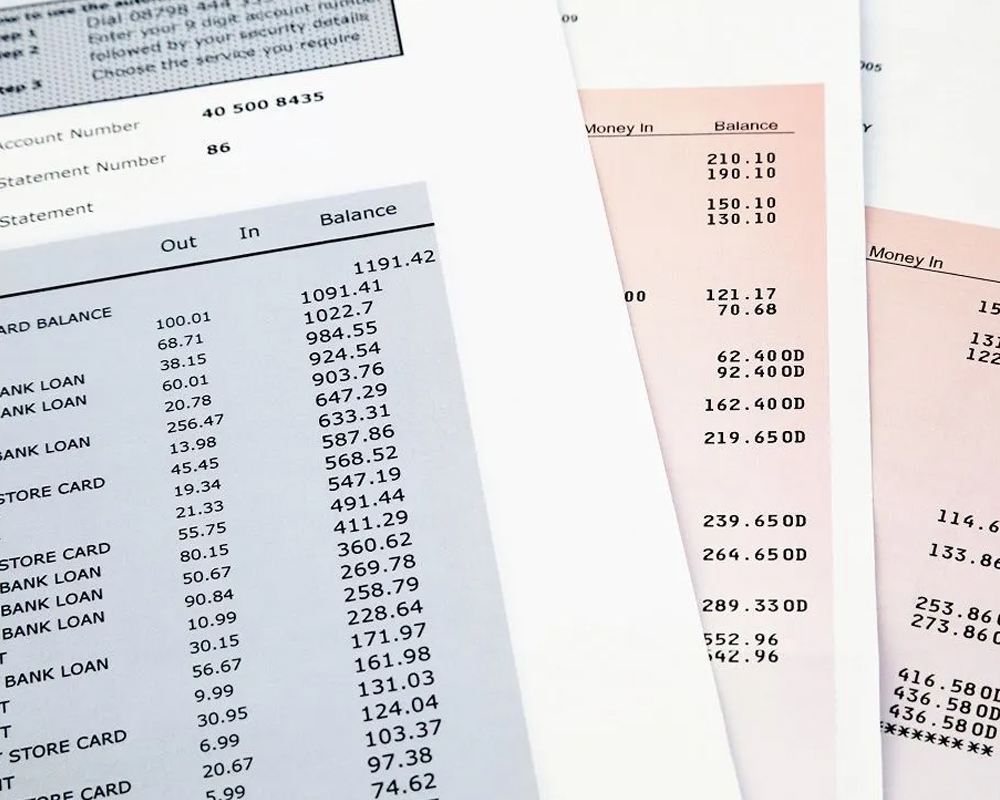
A Bank Statement Program Home Loan offers several benefits for self-employed individuals and borrowers with non-traditional income. This type of loan is specifically designed to provide flexibility and accommodate those who may not have the traditional income documentation required for a conventional mortgage.
One of the main advantages of a bank statement program loan is that it allows borrowers to use their personal and/or business bank statements as proof of income. This is especially helpful for self-employed individuals who may not have pay stubs or tax returns to demonstrate their earning capacity. By using bank statements, these borrowers can showcase their income history and the stability of their cash flow over a period of time.
Another benefit of a bank statement program loan is that it allows for higher debt-to-income ratios compared to traditional mortgages. This means that borrowers with significant monthly expenses can still qualify for a home loan, as long as their bank statements show sufficient income to cover their mortgage payments.
Additionally, bank statement program loans have the flexibility to lend up to $5 million, making them an attractive option for borrowers seeking higher loan amounts. This opens up opportunities for those looking to purchase luxury homes or investment properties.
A Bank Statement Program Home Loan is a viable option for self-employed individuals and borrowers with non-traditional income. It provides flexibility, higher debt-to-income ratios, and the ability to borrow larger loan amounts. This makes it a favorable choice for first-time home buyers who may not have pay stubs or tax returns as proof of income.
Qualify using 12–24 months of personal and/or business bank statements.
Borrow up to $5 million, making it ideal for high-value or luxury homes.
Minimum credit score starting around 620, with better terms for higher scores.
Self-employment, rental income, alimony, investments, and more can be considered.
We strive to offer competitive and transparent pricing on all our mortgage and loan programs. Our goal is to help you secure the best possible financing with no hidden costs and exceptional service every step of the way. We’re confident in the value we provide—check out our Best Price Guarantee to see how we ensure you get the most affordable rates and unbeatable service tailored to your needs.

Unlike traditional mortgages, qualification for a Bank Statement Loan centers on your actual cash flow. Lenders review deposits shown on your bank statements to confirm income stability and repayment ability. This flexibility is especially helpful for business owners who reinvest profits or show tax write-offs that make their taxable income appear lower than reality.
While credit scores and debt-to-income ratios still matter, lenders often weigh bank statements more heavily than tax returns. A strong deposit history, a steady flow of funds, and proof of business legitimacy (such as licenses or profit and loss statements) can improve approval odds.
In addition, borrowers may be asked to provide 12–24 months of statements, sometimes alongside a business license or financial documents. While this may seem more involved than a conventional mortgage, it allows self-employed applicants to showcase their true earning capacity and financial strength.
When it comes to obtaining a bank statement program home loan, credit scores and income ratios play a crucial role in determining eligibility and interest rates. For self-employed borrowers, in particular, these requirements are of utmost importance.
Credit scores are an indicator of a borrower’s creditworthiness and financial management. Lenders use credit scores to assess the risk of lending money and to determine the terms of the loan. Typically, higher credit scores result in more favorable interest rates and loan terms. However, for bank statement program home loans, lenders may be more lenient with credit score requirements, allowing borrowers with lower scores to qualify.
Income ratios, on the other hand, are used to assess a borrower’s ability to repay the loan. This ratio compares the borrower’s total monthly debt payments to their monthly income. For self-employed borrowers, accurately documenting income is crucial. Instead of relying on traditional mortgage requirements such as tax returns and pay stubs, bank statement programs allow self-employed individuals to use personal bank statements or business bank statements to verify income.
By providing several months of bank statements, self-employed borrowers can demonstrate their monthly income and cash flow, which in turn helps lenders determine their eligibility for a bank statement program home loan. This flexibility is especially beneficial for self-employed individuals who may have fluctuating income or write-offs on their tax returns.
In summary, credit scores and income ratios are important factors to consider when applying for a bank statement program home loan. Self-employed individuals should ensure they accurately document their income through bank statements to increase their eligibility and secure favorable interest rates.
When applying for a bank statement program home loan, there are various types of income that can be used to qualify. These loans are specifically designed for self-employed borrowers who may have non-traditional income sources. Here are some types of income that can be considered:
By considering these different types of income, bank statement programs provide flexibility for self-employed individuals and borrowers with non-traditional income. This allows them to qualify for a home loan based on their overall financial picture, rather than solely relying on tax returns or traditional income verification methods.
Self-employed borrowers applying for a bank statement program home loan need to provide specific documentation to demonstrate their income and financial stability. Here are the key documents typically required:
These documentation requirements are essential for self-employed individuals seeking a bank statement program home loan. By providing these documents, borrowers can demonstrate their financial stability, income sources, and eligibility for the loan. As with any mortgage application, it is crucial for self-employed borrowers to work closely with their loan officer to ensure they meet all the necessary documentation requirements.
When business owners apply for a bank statement program home loan, specific documentation is required to verify their income and financial stability. One of the essential documents needed is a business license. A copy of the borrower’s business license is crucial as it confirms that the self-employed individual is authorized to operate their business.
Additionally, lenders require two years of personal and business tax returns. These tax returns help lenders assess the borrower’s income and business profitability over the past two years. They provide a comprehensive overview of the borrower’s financial situation and serve as a crucial component in the loan application process.
Another vital document required is several months of personal and business bank statements. These statements aid in evaluating the borrower’s cash flow and ability to make mortgage payments. By analyzing the monthly deposits and expenses, lenders can gain valuable insight into the borrower’s financial stability and repayment capacity.
Overall, these documents, including business licenses, tax returns, and bank statements, are essential to verify the income and cash flow of self-employed borrowers. They provide lenders with a comprehensive understanding of the borrower’s financial situation and enable them to make informed decisions regarding the bank statement program home loan application.

Bank Statement Loans bring significant advantages—chiefly, the flexibility to qualify without W-2s or pay stubs. They also allow borrowers to combine multiple income sources and potentially access higher loan amounts. This makes them an excellent solution for entrepreneurs and self-employed individuals who don’t fit traditional lending molds.
That said, borrowers should also weigh potential trade-offs: interest rates may be higher than conventional mortgages, down payments often start at 10–20%, and documentation requirements can be more detailed. Still, for many borrowers who value flexibility and opportunity, Bank Statement Loans provide a practical path to homeownership when traditional financing isn’t an option.
To apply for a home loan, you’ll need to provide proof of income, your credit history, and employment verification. Additionally, you’ll need to submit recent tax returns and details about your assets and liabilities. To apply for a home loan, you’ll need to provide proof of income, your credit history, and employment verification,
To apply for a home loan, you’ll need to provide proof of income, your credit history, and employment verification. Additionally, you’ll need to submit recent tax returns and details about your assets and liabilities. To apply for a home loan, you’ll need to provide proof of income, your credit history, and employment verification.
To apply for a home loan, you’ll need to provide proof of income, your credit history, and employment verification. Additionally, you’ll need to submit recent tax returns and details about your assets and liabilities. To apply for a home loan, you’ll need to provide proof of income, your credit history, and employment verification.
To apply for a home loan, you’ll need to provide proof of income, your credit history, and employment verification. Additionally, you’ll need to submit recent tax returns and details about your assets and liabilities. To apply for a home loan, you’ll need to provide proof of income, your credit history, and employment verification.
Take advantage of our client resources designed to make your homebuying journey easier and more informed. Browse through our website to learn more about our company, explore the wide range of loan programs we offer, and discover the right financing solutions for your unique needs.